Curt Gowdy Jr. — Master Storyteller, Nationally and Regionally
Story Highlights
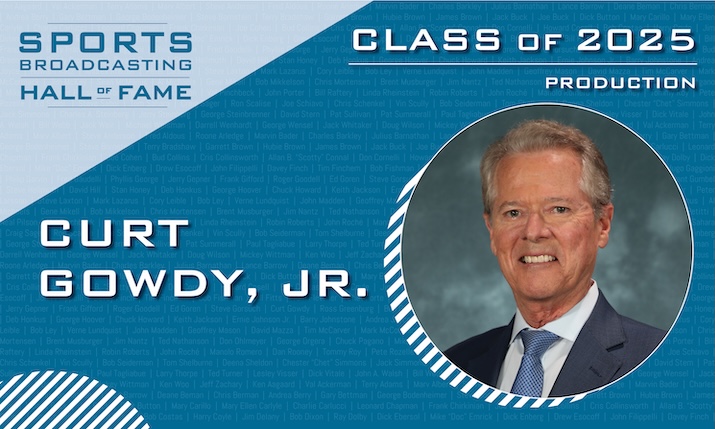
Curt Gowdy Jr. may have been born into sports-broadcasting royalty, but he blazed his own trail, becoming one of the most respected and influential production leaders the business has ever seen. From his 29 years producing broadcasts at ABC Sports to his integral role in launching SportsNet New York in 2005, Gowdy has seen it all on both a national and a regional scale.
However, perhaps his finest accomplishment is the fact that a single phrase is uttered over and over by nearly everyone who has served in the truck and in the trenches with Gowdy during his nearly five decades in the industry: “I loved working with Curt,” says Sports Broadcasting Hall of Famer Al Michaels.
 “He was always thoroughly prepared,” he adds. “In the business of live television, where everything often goes at warp speed, Curt always met the moment. Maybe best of all, the entire production crew was treated with the utmost respect when Curt was in the producer’s chair, and they paid him back with their absolute best work. He made everyone around him better.”
A winner of 16 National and 27 Regional Emmy Awards, Gowdy spent 29 years at ABC Sports, including a stint as senior coordinating producer for ABC’s Wide World of Sports and producer of three World Series, most notably the 1989 Bay Area “earthquake” Series. He also played key roles in producing coverage of four Olympic Games; 14 Kentucky Derby and 12 other Triple Crown races; numerous Super Bowl pre/postgame and halftime shows; 18 U.S. Figure Skating Championships and 11 World Figure Skating Championships; and 16 Little League World Series.
In 2005, Gowdy shifted his focus to the launch of SNY, where he spent 17 years as senior vice president and executive producer, building an RSN that set a new industry standard. He retired in 2022.
Son of an Icon: Growing Up in the Business
Born in Boston, where is his legendary father served as the voice of the Boston Red Sox throughout the 1950s and early ’60s, Gowdy Jr. says he “had a passion for sports from day one.” Once he was old enough, he began accompanying his dad to Fenway Park, where he sat in the booth and fetched him Cokes and popcorn as he called Ted Williams and the rest of the squad on both radio and TV.
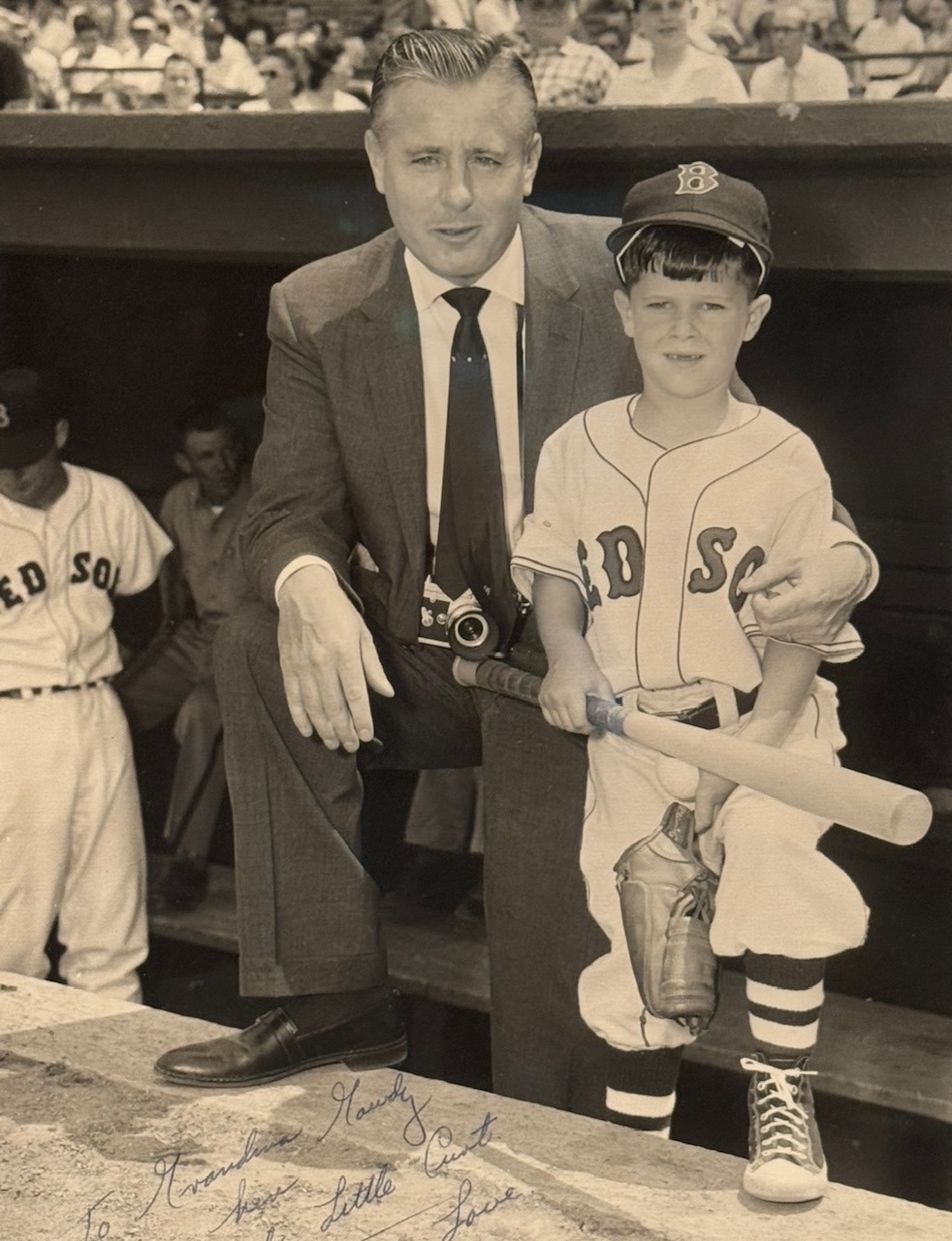
Once Gowdy Jr. was old enough, he began accompanying his dad to Fenway Park, where he called Red Sox games.
In 1965, when Gowdy Sr. moved to NBC Sports fulltime — as lead play-by-play announcer for MLB Game of the Week, American Football League, and numerous other properties — his son began serving as a runner on many of his broadcasts in the New England region.
“I wanted to absorb as much knowledge as possible about the business by sitting in the truck and learning from some of the best,” says Gowdy. “By the time I was a young teenager, I knew without a doubt that I wanted to be in sports television; I never really thought of doing anything else.”
Gowdy Jr. attended Colby College, where he played hockey and lettered his senior year while serving on weekends as a runner for various networks on everything from football to golf. By this point, he says, “I had spent enough time in trucks that I knew I wanted to be a producer. I wanted to be on the creative side, not in front of the camera like my dad — not that I could have ever come close to filling his shoes anyway. I knew I wanted to be behind the scenes and tell stories that way.”
Along the way, Gowdy Jr. crossed paths with a fellow son of a broadcasting icon: Sean McManus, whose father Jim McKay called Orange Bowls alongside Gowdy Sr. throughout the early ’60s. “Little did we know that we would both make our careers following in our father’s footprints,” says McManus, a Sports Broadcasting Hall of Famer and former CBS Sports chairman.
“Both Curt and I had the blessing and curse to follow our legendary dads into this industry,” he adds. “Curt excelled on his own merits, took the lessons learned from his dad, and carved out a hall-of-fame career. Curt did so not as Curt Gowdy’s son but with his own talent, creativity, professionalism, and expertise.”
Production Prodigy: Starting Out at ABC Sports
In fall 1976, Gowdy Jr. became a production assistant at ABC Sports and was immediately thrown into the fray on the broadcaster’s top weekly college football game led by Sports Broadcasting Hall of Fame producer Chuck Howard and pioneering director Andy Sidaris, with the incomparable Keith Jackson, another Sports Broadcasting Hall of Famer, in the booth.
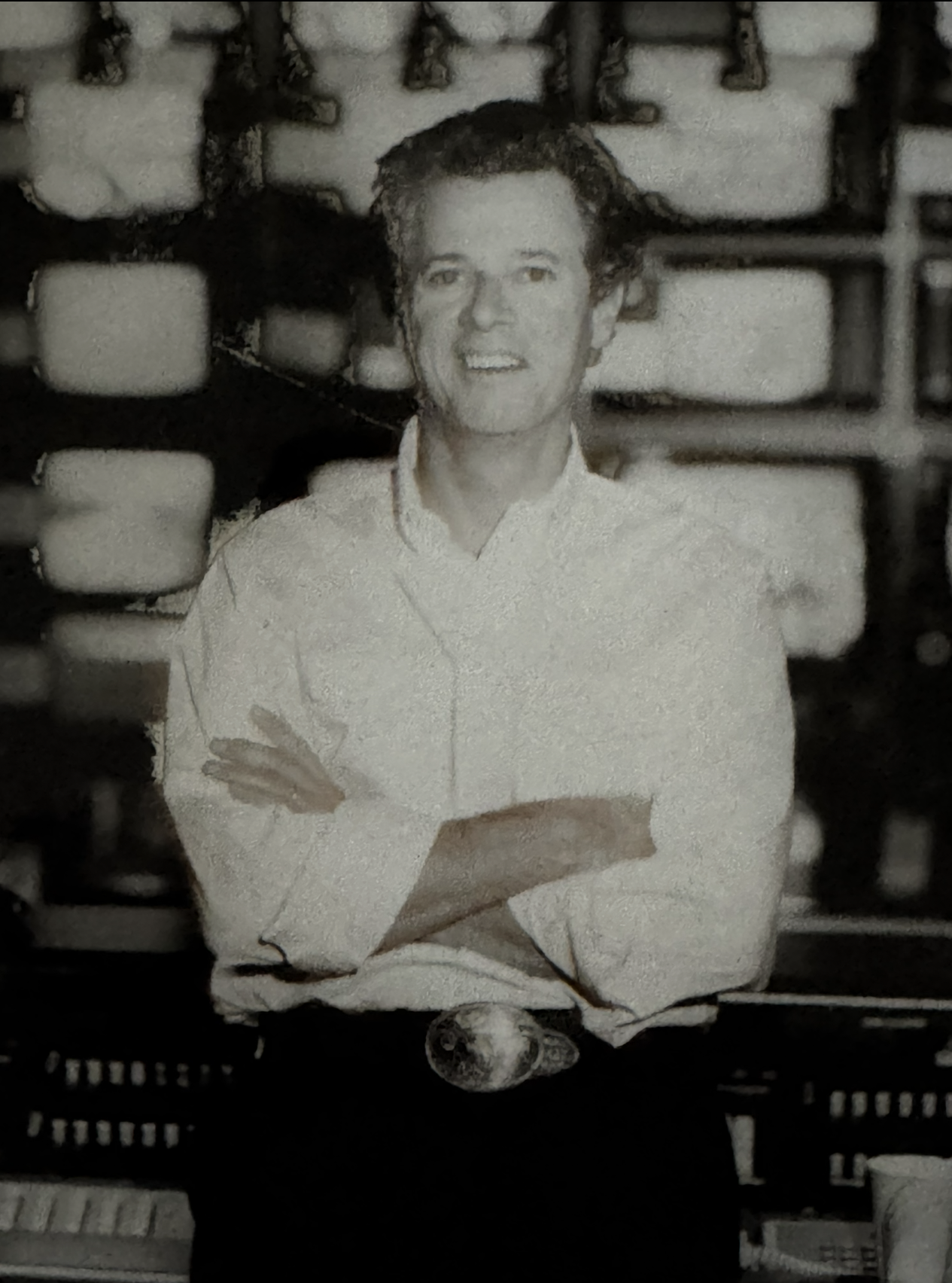
Having worked as a runner while in school, Gowdy Jr. began his professional career as a production assistant for ABC Sports in 1976.
“It was almost like Marine bootcamp in that it was sink or swim,” recounts Gowdy Jr. “You tried to ask as many questions as possible and make sure that you never made the same mistake twice. At the same time, though, you were always welcome to participate and contribute.
“I learned a lot from the people above me early on,” he continues. “I was blessed to work with Chuck and Andy. Chuck would go on to become a great mentor for me and really carved out my career as a producer by giving me opportunities early on.”
Within a year, Gowdy Jr. was associate-producing on a variety of telecasts for ABC Sports, including segments for Wide World of Sports, the longest-running and most celebrated anthology show in television-sports history. He was on the fast track to the producer’s chair but felt that he needed to round out his talents first. So he took a sidestep, joining the Director’s Guild of America and serving as an associate director on a variety of ABC broadcasts.
“I wanted to learn how to edit and how to put shows together behind the scenes,” he remembers. “For a year and a half, I was sinking my teeth into a lot of different live and taped shows — everything from Battle of the Network Stars to college football and a myriad of other events. I learned my craft on that side of the business, and it was very valuable knowledge: when I eventually became a fulltime producer, I had a better skill set to make incredibly quick decisions, especially when it came to timing out the show.”
The ABC Years: Spanning the Globe and Manning the Front Bench
In 1979, Gowdy Jr. became a full-time producer at ABC Sports and worked his first Olympics at the front bench, serving as lead producer for the luge events at the 1980 Lake Placid Winter Games with his father in the booth calling the action.
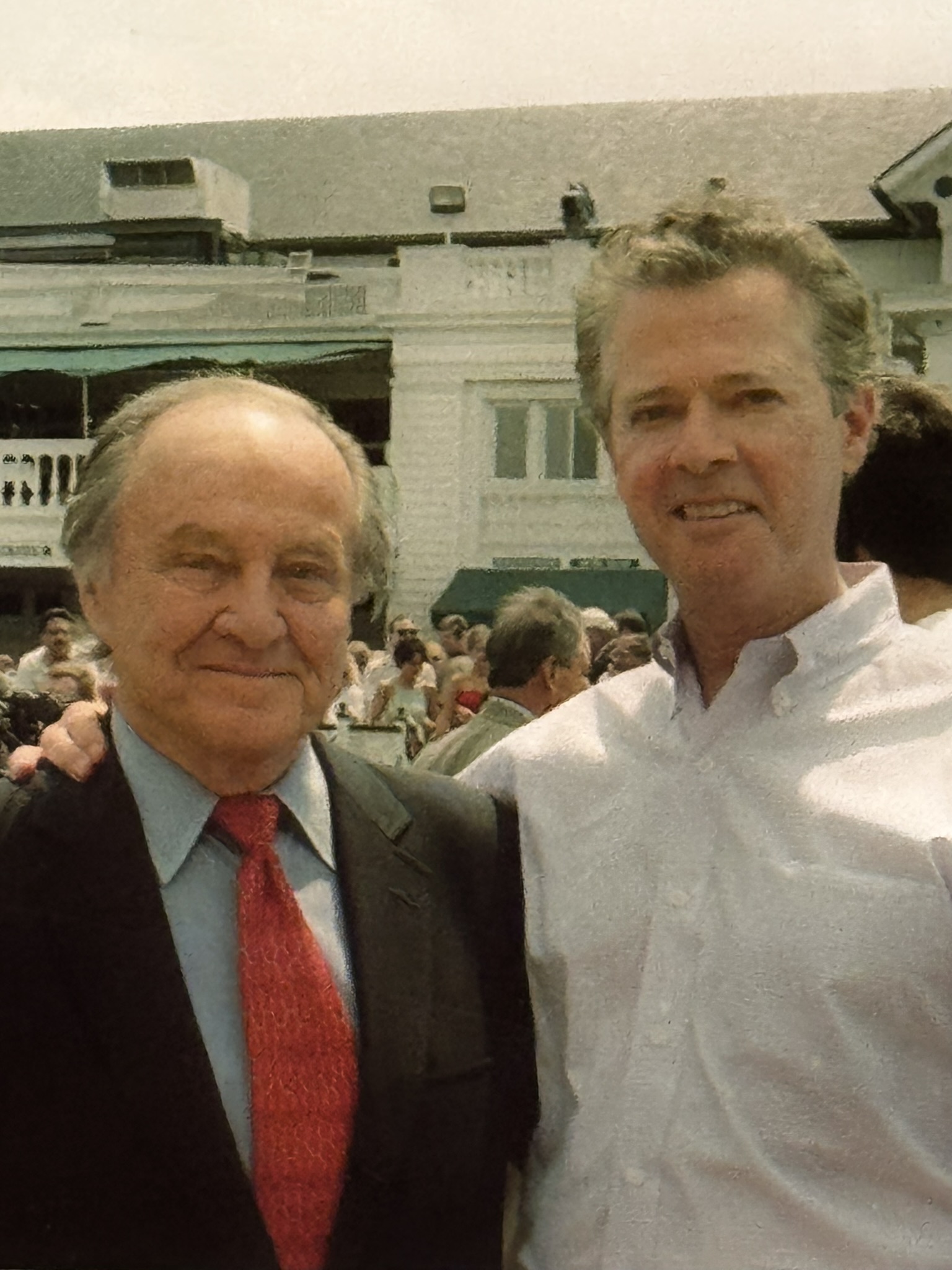
Gowdy Jr. worked with Sports Broadcasting Hall of Famer Jim McKay during his many years producing Triple Crown horse racing for ABC Sports.
Throughout the ensuing decade, Gowdy Jr.’s reputation as a distinctive storyteller would grow as he produced a wide variety of events, including Monday Night Baseball and the MLB Postseason, the Kentucky Derby and Triple Crown horse races, U.S. and World Figure Skating Championships, and top-tier college football. In addition, he took over as coordinating producer of Wide World of Sports in the mid ’80s, overseeing day-to-day operations and running the show each weekend.
“Working with him was paradise,” says Sports Broadcasting Hall of Famer and on-air talent Lesley Visser, who worked with Gowdy Jr. on World Series, Triple Crown races, Super Bowl pregame, and the World Figure Skating Championships. “Curt wanted people to have a good time, and he wanted you to make a memory. At the same time, for every broadcast, he had a vivid sense of place, of importance, and of the stories that needed to be told. And he was a celebration of compassion over cynicism.”
Although Gowdy Jr. certainly made an indelible mark across a multitude of ABC Sports’ properties, his most iconic moment as a producer occurred on Oct. 17, 1989, when the Loma Prieta earthquake struck the Bay Area during ABC’s World Series coverage. ABC was live on-air when the earthquake hit, and the feed was temporarily knocked out. However, once the live feed returned, Al Michaels and company provided live reports from the ballpark while the Goodyear Blimp provided aerial coverage of the damage and fires throughout the city.
“Curt was fantastic,” says Michaels. “I lost communication with him the minute the quake struck, and I had to go down to the truck. We spent probably the next nine or 10 hours in the truck providing coverage to New York and to Washington for [ABC News anchors] Peter Jennings and Ted Koppel.”
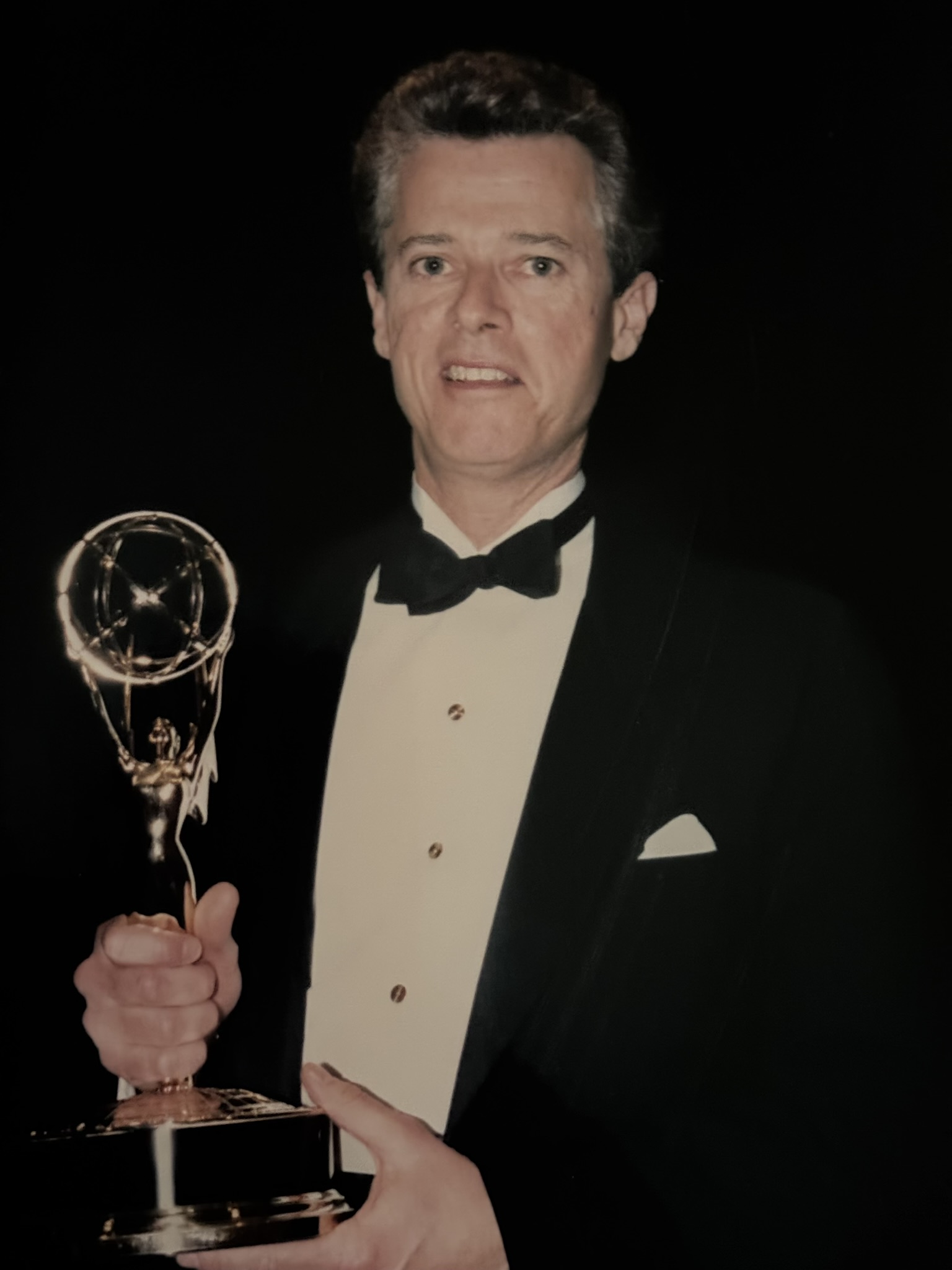
Gowdy Jr. is a winner of 16 National and 27 Regional Emmy Awards.
A true innovator on the racetrack, Gowdy Jr. pioneered the use of live wireless jockey microphones and helmet cameras, earning eight Eclipse Awards for thoroughbred-racing coverage. He counts Unbridled’s storybook victory in the 116th Kentucky Derby, in 1990, for which trainer Carl Nafsger was miked as he called the action for owner Francis Genter, as one of his most memorable moments on the bench.
“People underestimate how difficult a Triple Crown race is, particularly a Derby,” says Visser. “You know, all those horses are like an NFL team: there’s an owner, there’s a trainer, the jockey’s the quarterback, and the horse doesn’t even speak. But Curt made it look easy.”
As the ’90s wore on, Gowdy Jr. also became a driving creative force behind ABC Sports’ figure-skating coverage, working alongside director Doug Wilson and on-air personalities Dick Button, Peggy Fleming, Peter Carruthers, and an up-and-coming Terry Gannon.
“I will always be grateful that, when I arrived at ABC Sports as a young announcer, Curt Gowdy Jr. was there to help teach me the craft,” says Gannon. “It was Curt, more than anyone else, who taught me the importance of storytelling, conveying the excitement of the arena to the viewer, and sports journalism. When you worked a Curt show, you knew the opportunity was there for you to be at your best. He’s a Hall of Famer not only for producing some of sports television’s biggest events but for challenging and elevating everyone on his broadcasts.”
From left: Gowdy Jr. with 1990s-era ABC figure-skating announce team Dick Button, Terry Gannon, and Peggy Fleming
As lead producer on figure skating, Gowdy Jr. also found himself at the helm during one of the most scandalous moments in sports history. At the 1994 U.S. Figure Skating Championships, ladies’ gold frontrunner Nancy Kerrigan was attacked prior to the competition and forced to withdraw. Tonya Harding would go on to win the title, and months of tabloid-fueled coverage ensued.
“I’ll never forget that Thursday night,” says Gowdy. “We led the show with the Chief of Police in Detroit addressing the incident, and the Ladies Final took place that Saturday night. Nancy Kerrigan was up in the stands with her parents, so we isolated and showed her quite often. Tonya Harding won the championship, and we all know what happened after that. It was a bizarre moment for all of us but, I think, a great example of how you have to adapt quickly and think on your feet to tell the story of the moment.”
Even with all these iconic moments on his résumé, Gowdy counts the Little League World Series as “one of the most compelling and inspiring” property of his career.
“ABC’s relationship with Little League Baseball was special and just an amazing event to produce,” says Gowdy, who produced 16 of the events in all. “When it started, we did just the Championship Game on Saturday, but, by the time I left and ESPN took over, every game was being produced. Not only were there many unforgettable moments, but [my family and I] made many lifetime friends going to [South Williamsport, PA] year after year.”
A New Chapter Begins: SNY Comes Calling
By 2005, Gowdy had cemented his legacy as one of the industry’s top live-sports producers when a new opportunity arose. The New York Mets were launching their own regional sports network and newly named President Jon Litner needed a leader to build the production operation from scratch.
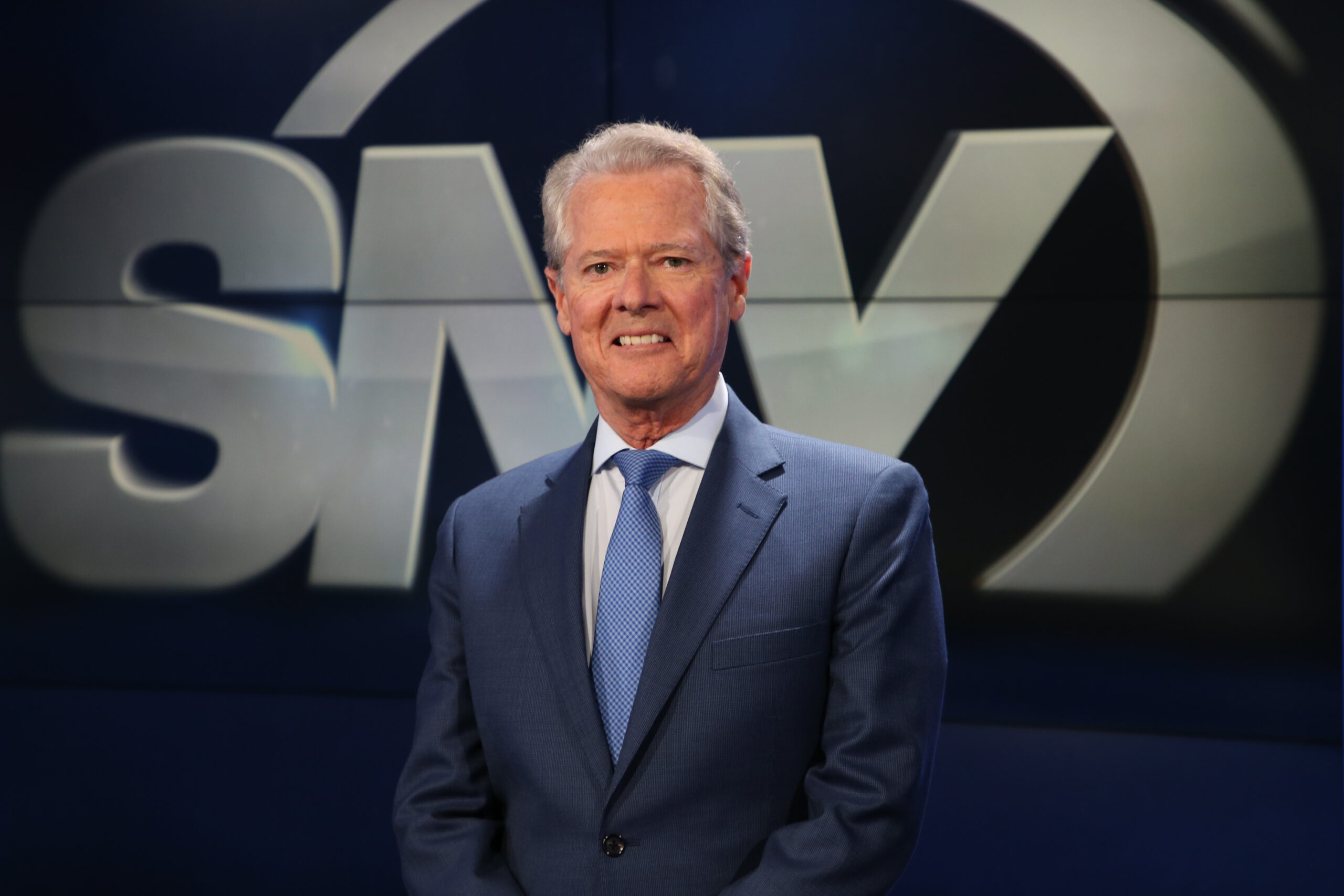
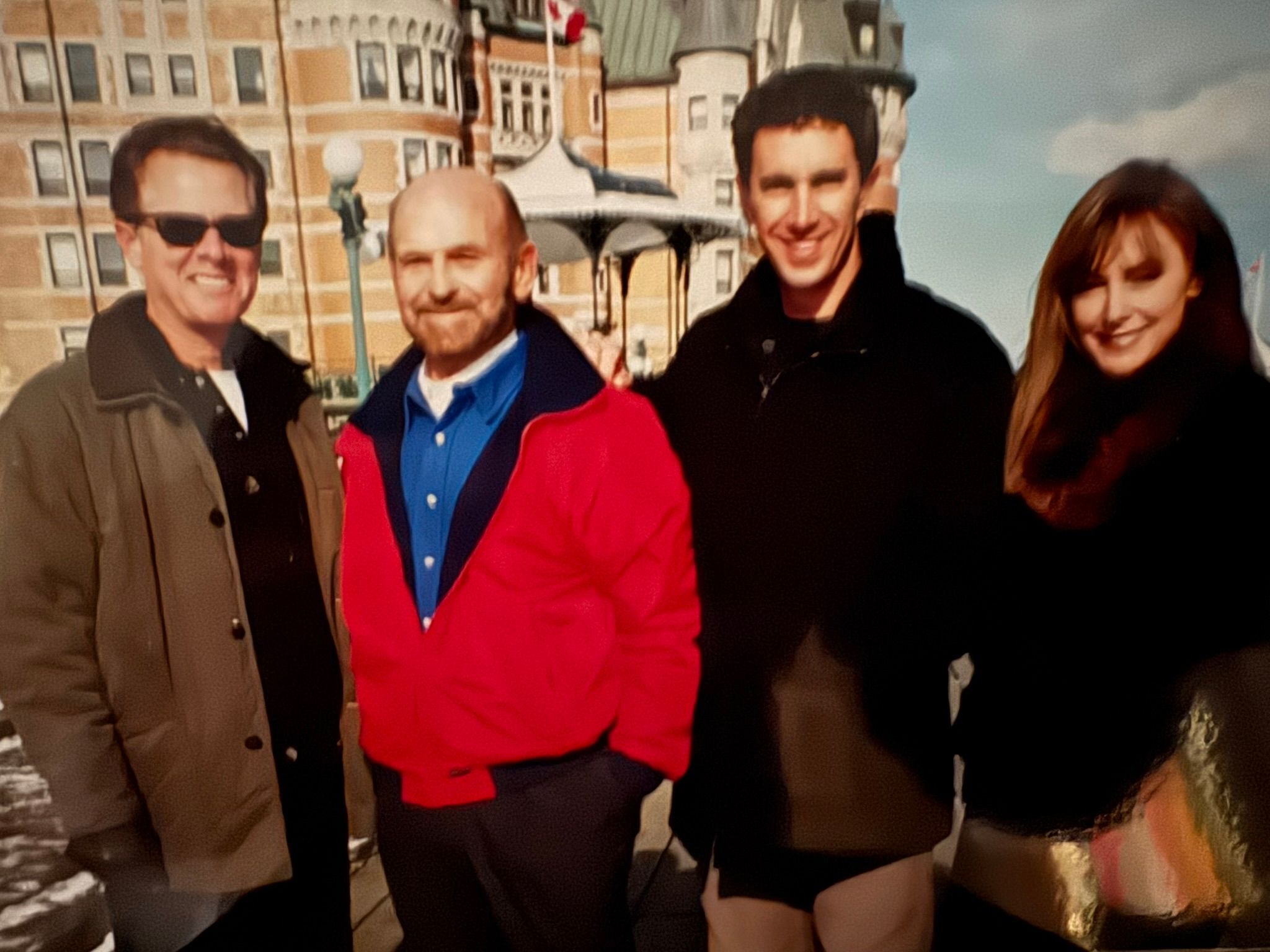
Gowdy Jr. oversaw the launch of studio productions and newsroom operations at the brand-new SportsNet New York in 2006.
“[As an executive at ABC Sports in the ’90s,] I witnessed firsthand Curt’s extraordinary talent whenever he produced the biggest games across all the major sports properties and the iconic Wide World of Sports studio series,” says Litner, now CEO of YES Network. “Simply put, he made everything he produced and everybody he worked with better. So, when I was hired in 2005 to launch SNY, there really was only one executive producer I wanted as my creative partner: Curt Gowdy Jr.”
Launched in the spring of 2006 as a joint venture of then Mets owner Fred Wilpon’s Sterling Equities, Time Warner Cable (now Charter Communications), and Comcast (through its NBC Sports Group subsidiary), SNY was branded as “the home of the Mets, Jets, and all things New York Sports.” Gowdy’s mission statement was to “have a national sensibility to the way we presented our broadcasts on a regional level.”
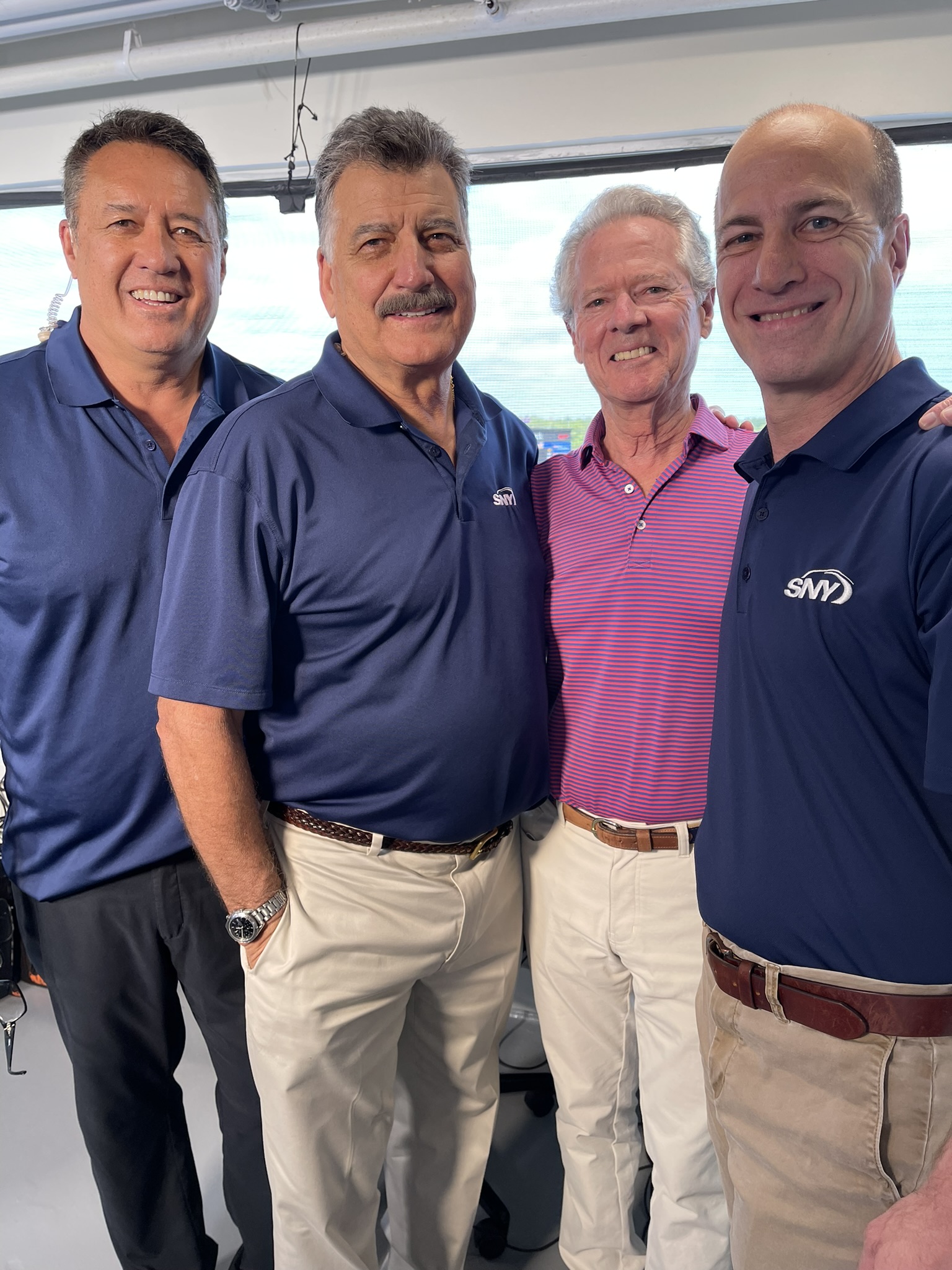
Gowdy Jr. (second from right) played a pivotal role in forming SNY’s announce team: (from left) Ron Darling, Keith Hernandez, and Gary Cohen.
Adds Litner, “He was a trusted friend, tireless worker, and the creative force behind SNY’s immediate and continued success. I’m in awe of his incredible career and feel fortunate to have convinced Curt 20 years ago to join me on the SNY ride.”
With absolutely no technical or operational infrastructure in place, Gowdy Jr. and his team were tasked with building studio productions and newsroom operations from the ground up. In addition to launching pre/postgame shows for all Mets games, SNY introduced a nightly studio show, SportsNite, and other original programming in the ensuing years.
SNY quickly became an industry leader in game production, thanks to some of Gowdy Jr.’s first hires: director Bill Webb and producer Gregg Picker. For more than a decade, they were at the front bench each season for SNY’s 120+ Mets productions and gained a reputation as one of the top duos in the business before Webb retired (a Sports Broadcasting Hall of Famer, he died in 2017), and Gowdy tapped Dan Barr (who went on to become YES Network’s lead Yankees director) as his successor and then longtime SNY veteran John DeMarsico.
“All of us at SNY owe a tremendous amount of gratitude to Curt for creating the vision that has symbolized our Mets coverage and endured for two decades,” says Picker, who continues to produce SNY’s Mets telecasts. “On a personal level, Curt has had as much positive influence on my career as any colleague. His professionalism, support, and respect for our entire Mets production group never wavered in all our years working together.”
While Gowdy’s successes at SNY are numerous, arguably his crowning achievement was the assembly of what is still widely considered the best announce booth in all of baseball: play-by-play caller Gary Cohen and analysts Ron Darling and Keith Hernandez.
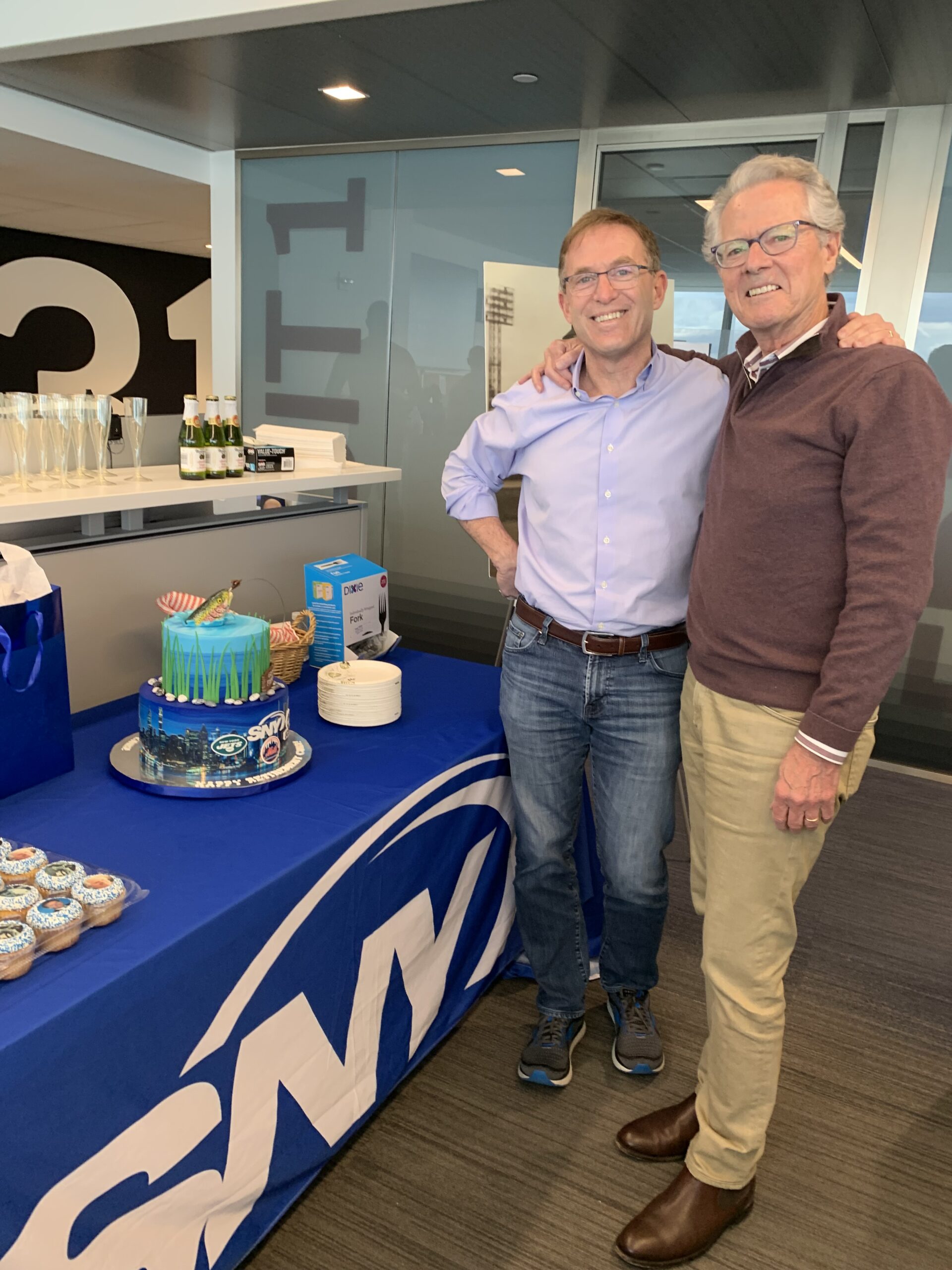
SNY President Steve Raab, here with Gowdy Jr.: “As SNY’s first head of production, Curt made an indelible mark on SNY that continues to endure.”
“Curt was the architect of what we’ve done here,” says Cohen. “He was a visionary in many respects. The network was always going to be about the Mets, but how we approached it was very much about Curt’s vision.”
Darling adds, “I learned more in one afternoon interviewing for the SNY job with Curt Gowdy than I’d ever learned in TV the three or four years prior. I owe him for my entire career.”
And Hernadez says, “He molded the broadcast and formed the team. This is Curt’s baby.”
Gowdy Jr. also played a pivotal role in discovering a young Kevin Burkhardt and inserting him as SNY’s Mets sideline reporter. Burkhardt would go on to appear on multiple Mets studio shows and occasionally call games in the booth before departing in 2014 for FOX Sports, where he is now top NFL on FOX play-by-play caller and one of the preeminent announcers in sports broadcasting.
“I can honestly say that I wouldn’t be here today without Curt Gowdy Jr., and that’s not hyperbole at all,” says Burkhardt. “From the get-go, he was so welcoming and warm. He believed in me when a lot of people didn’t think I was good enough to do it. He was so big for my career in so many ways. Trust me when I tell you, he was one of the first people I thought about when I called my first Super Bowl.”
Today, SNY continues to deliver 125+ live Mets games annually and round-the-clock coverage of the franchise, 300+ hours of Jets content, UConn Women’s Basketball games, and comprehensive coverage of all the Tri-State Area’s professional and collegiate sports teams through its nightly sports and entertainment programs. In addition to producing linear-TV content from its state-of-the-art studio at 4 World Trade Center, SNY.tv has become the go-to digital communal home for New York sports fans to get their news and highlights fix.
“As SNY’s first head of production, Curt made an indelible mark on SNY that continues to endure,” says SNY President Steve Raab, who was VP of marketing and business development when the network launched in 2006. “That impact includes the creation and long-running success of the Mets on SNY, which many industry insiders consider to be the standard-bearer for live baseball-game production.
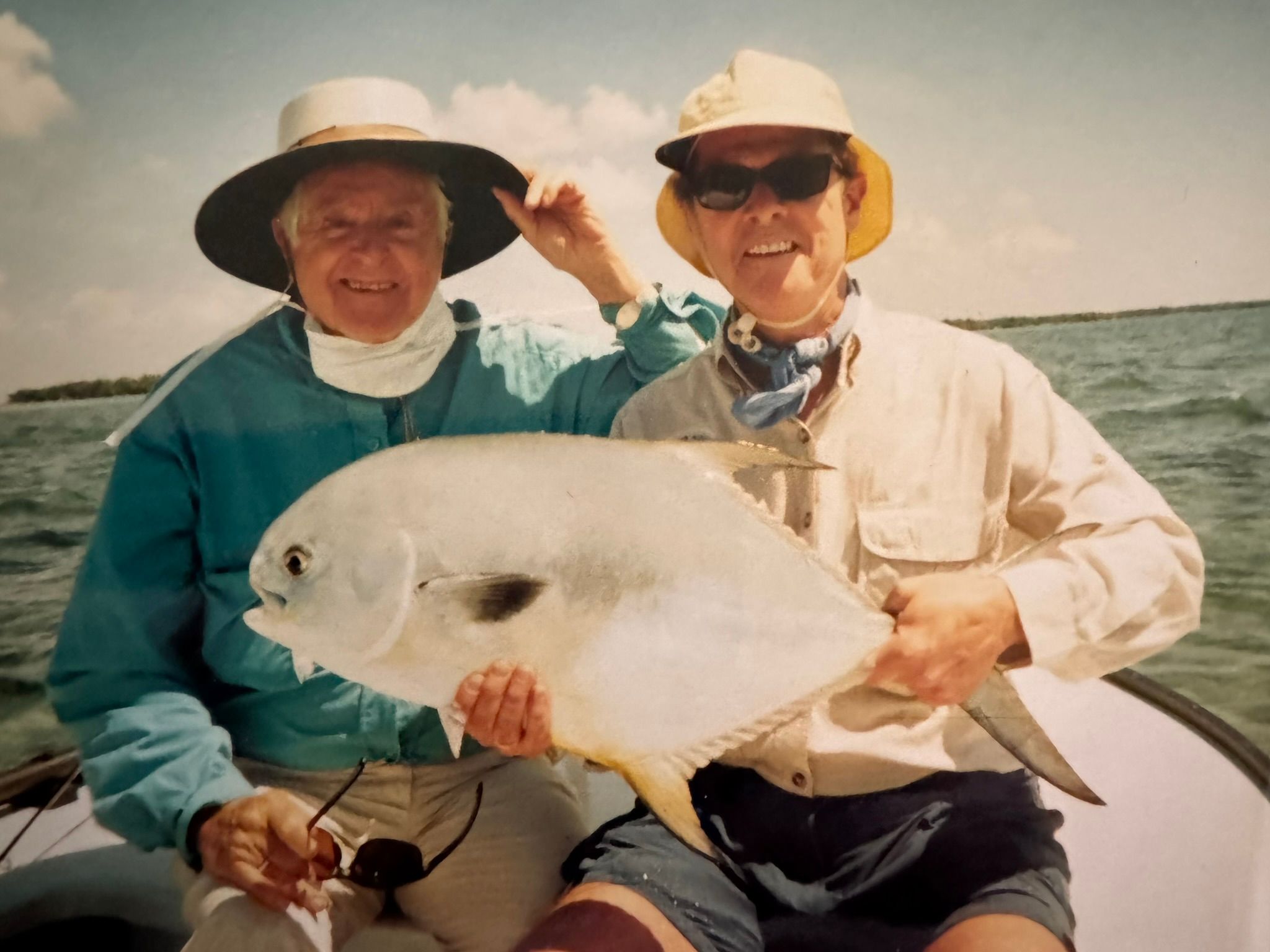
Gowdy Jr. (right) continues to indulge the passion for fishing that he shared his father, Curt Gowdy.
“More important, Curt is a first-class person in every respect,” he continues. “His professionalism, decency, and friendship are everything one could hope for in a colleague. In every respect, he upheld a legendary name while charting his own course. He’s a remarkable guy.”
Away From the Control Room: Family Man, First and Foremost
In 2022, Gowdy Jr. retired at the age of 69 with an eye on his next chapter, focused on his family and passions outside of sports television. After many years on the road spending nights and weekends away from his family, he is relishing spending more time with his wife of 46 years, Karen; daughters Katie, Taylor, and Grace; and four grandchildren.
“My family means everything to me; they always have, and they always will,” he says. “My wife was a TV actress so she knew the business and understood how demanding it could be, but she still had to sacrifice a lot. It certainly wasn’t easy being away from her and the girls so much, but I’ll be forever grateful for their strength, love, and support.”
Since retiring, he and Karen have split time between their home in New Canaan, CT, and their family ranch in Wyoming. In addition to being his father’s birthplace, Wyoming is where Gowdy Jr. learned to fish — a passion he continues to indulge today — and where the serendipitous meeting between him and Karen took place in 1978 when Curt was producing Cheyenne Frontier Days rodeo. He is also putting the finishing touches on a new children’s book focused on the art of fishing and the connections it creates from one generation to another.
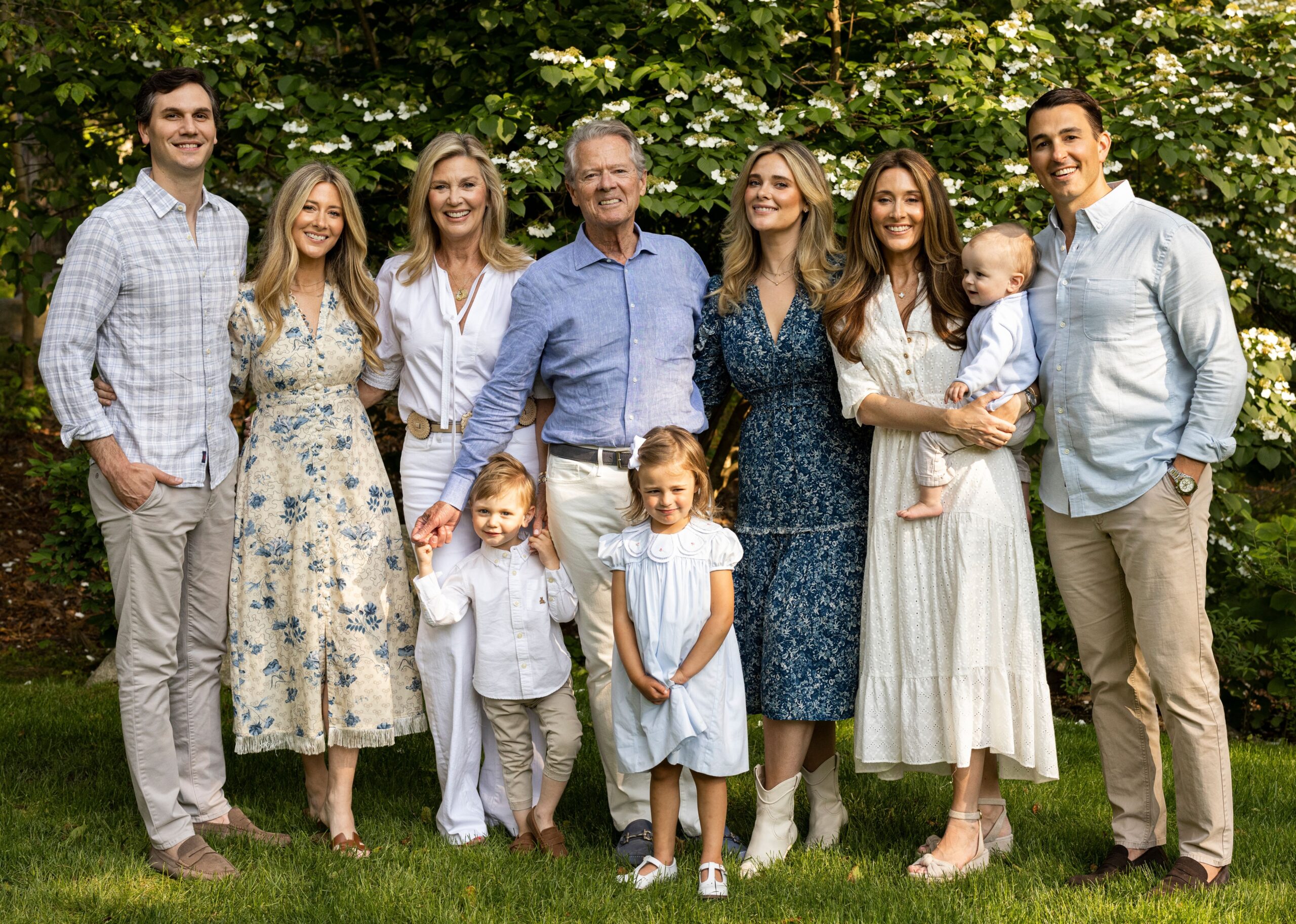
Now retired, Gowdy Jr. is making up for lost time with his family.
“Curt’s calm expertise in the truck and all that he has accomplished in sports television is actually secondary to his role as a father, husband, and son,” says McManus, a longtime friend and confidant. “He is a man who understands his priorities in life. I know that Curt Sr. is looking down with pride on what Curt has accomplished, not only as a producer but, much more importantly, as a man.”
Despite all that he accomplished during his 46-year career, Gowdy says what matters most to him is that he be remembered “as a man who led by example and inspired respect, integrity, and innovation amongst my peers and family.” Anyone who has worked with Curt Gowdy Jr. for a day or a decade will attest to the fact that he has done just that.